Blog
Transportation costs represent one of the largest expenses for both businesses and individuals. Whether you manage a corporate fleet of fifty vehicles or simply commute across town, the decisions you make about mobility directly impact your financial health. Yet most people approach these choices with outdated assumptions—buying when leasing makes sense, trusting the wrong mechanics, or clinging to car ownership when subscription models offer better value.
This resource explores the interconnected world of modern mobility economics. From fleet managers wrestling with the electric transition to city dwellers questioning whether that parking spot is worth $800 monthly, the challenges share a common thread: making informed decisions in a rapidly changing landscape. Think of it as your compass for navigating choices that could save you thousands—or cost you dearly if approached carelessly.
What follows covers four essential territories: strategic fleet management for businesses, the art of finding trustworthy mechanics, the true economics of urban car ownership, and emerging alternatives that might render traditional ownership obsolete. Each section connects to deeper explorations for those ready to dive into specifics.
Fleet Strategy in an Era of Transformation
Managing a business fleet today feels like playing chess on a board where the rules keep changing. The vehicles that made financial sense five years ago may drain your budget now, while emerging mobility trends create opportunities—and traps—at every turn.
The Electric vs. Gasoline Calculation
The debate over total cost of ownership (TCO) between gas and electric fleets extends far beyond fuel prices. Consider maintenance: electric vehicles have roughly 20 fewer moving parts in their drivetrains compared to combustion engines. No oil changes, no transmission repairs, no exhaust system replacements. Over a five-year period, these savings compound significantly. However, the equation shifts based on charging infrastructure availability, route patterns, and local electricity costs. A delivery fleet covering 200 miles daily faces different math than executive vehicles averaging 40 miles.
Usership Models and OpEx Reduction
The shift from ownership to usership represents perhaps the most significant change in fleet economics. Rather than tying up capital in depreciating assets, businesses increasingly access vehicles as services. This approach transforms unpredictable capital expenditures into manageable operational costs—some companies report 20% reductions in OpEx through strategic adoption. The model works particularly well for organizations with fluctuating vehicle needs or those seeking to offload maintenance responsibilities.
IoT Integration Without Privacy Pitfalls
Modern fleet tracking offers remarkable efficiency gains: optimized routing, predictive maintenance, driver behavior analysis. Yet each connected sensor creates data that must be handled carefully. Employees rightfully question monitoring practices, and regulations increasingly restrict tracking capabilities. Successful implementation requires:
- Transparent policies communicated before deployment
- Clear boundaries between business tracking and personal time
- Data retention limits aligned with actual business needs
- Employee input during system selection
The efficiency gains mean nothing if implementation triggers legal challenges or workforce resentment.
How to Identify a Trustworthy Mechanic
Your vehicle represents a significant investment, yet many owners hand the keys to whoever offers the lowest quote—then wonder why problems multiply. Understanding what separates competent professionals from dangerous amateurs protects both your wallet and safety.
Credentials That Actually Matter
Not all certifications carry equal weight. ASE (Automotive Service Excellence) certification requires passing rigorous exams and demonstrating hands-on experience—mechanics must recertify every five years to maintain status. Manufacturer certifications indicate specialized training on specific brands, valuable for warranty work and complex proprietary systems. However, neither credential guarantees honesty. A master-certified technician can still overcharge or recommend unnecessary repairs. Credentials filter out the incompetent; references and track records identify the trustworthy.
Red Flags That Signal Trouble
Physical environment reveals operational standards. A shop floor thick with oil stains, disorganized tool storage, and unclear pricing displays often correlates with sloppy work. Studies consistently show connections between workshop hygiene and repair failure rates—the discipline required to maintain clean facilities typically extends to repair procedures themselves.
Watch for billing practices that obscure true costs. Some shops quote flat-rate repairs regardless of actual time invested, while others bill hourly but pad estimates. Neither system is inherently unfair, but you should understand which applies before authorizing work. For electrical diagnostics especially, hourly billing often proves more transparent given the unpredictable nature of tracing faults.
The Dealership vs. Independent Question
Dealership service departments make sense for new vehicles under warranty—manufacturer backing provides valuable protection. However, once vehicles age beyond warranty periods, independent specialists often deliver identical quality at 40% lower costs. The sweet spot typically arrives around the four-to-five-year mark, when manufacturer training requirements for most repairs become less relevant than general mechanical competence.
Does Owning a Car in the City Still Make Sense?
Urban car ownership faces mounting economic pressure from multiple directions. Before signing that loan or renewing registration, honest accounting reveals surprising truths about the real cost of keeping a vehicle in dense metropolitan areas.
The Hidden Expenses That Accumulate
Monthly payments tell only part of the story. Urban-specific costs quietly drain budgets:
- Parking: garage spaces in major cities average $300-500 monthly; street parking generates tickets averaging $50-150 per violation
- Insurance: urban premiums run 20-30% higher than suburban rates due to theft and accident frequency
- Depreciation: stop-and-go traffic accelerates wear on brakes, transmissions, and suspensions
- Opportunity cost: hours spent circling for parking or stuck in traffic
When these factors combine, many city dwellers discover their vehicles cost $800 monthly or more beyond any loan payment—money that could fund extensive ride-sharing or public transit usage.
Subscription and Lease Alternatives
Car subscription services bundle insurance, maintenance, and flexibility into single monthly payments. Unlike traditional leases with mileage penalties and multi-year commitments, subscriptions often allow vehicle swaps and month-to-month terms. Digital nomads and those with unpredictable needs find particular value—access to vehicles when needed without ownership burdens during periods of non-use. The premium over traditional ownership shrinks considerably when honest accounting includes all those hidden urban costs.
Multimodal Transportation and the Car-Free Possibility
Complete car elimination sounds radical until you map actual transportation patterns. Many urban residents discover vehicles sit idle 95% of the time—expensive metal depreciating in parking spaces while superior alternatives exist for specific journey types.
Combining Modes for Optimal Efficiency
The fastest urban commute rarely involves a single transportation method. Train networks excel at covering distance but serve limited stops; electric scooters and bikes solve the first-and-last-mile problem efficiently. A 45-minute driving commute through congested streets might become 30 minutes via train plus scooter, with reading time replacing road rage as a bonus.
Success requires strategic thinking about connections:
- Map your regular destinations and available transit options
- Identify gaps where personal transport adds value
- Test combinations during different time windows
- Calculate monthly costs against current vehicle expenses
Avoiding Alternative Transportation Traps
New mobility options bring new pricing tricks. Scooter services frequently advertise low per-minute rates while burying unlock fees that double effective costs for short trips. Subscription tiers that seem economical require careful analysis of actual usage patterns. The math that works for daily commuters fails for occasional users, and vice versa.
Recognizing Readiness for Car-Free Living
Not everyone can or should abandon vehicle ownership. However, certain signals suggest openness to the transition: rarely using your car on weekdays, dreading rather than enjoying driving, consistently choosing rideshare for social outings, or finding parking stress outweighs transportation benefit. For those recognizing multiple signs, gradual transition—perhaps starting with a weekend experiment—reveals whether car-free living suits their actual needs.
The mobility landscape continues evolving rapidly. Fleet managers face technology transitions that reward strategic thinking and punish hesitation. Individual vehicle owners must weigh tradition against economics as alternatives mature. Throughout these changes, informed decision-making—grounded in honest cost accounting and clear understanding of available options—separates those who thrive from those who overspend. The articles throughout this resource explore each dimension in depth, providing the specific insights needed for your particular situation.
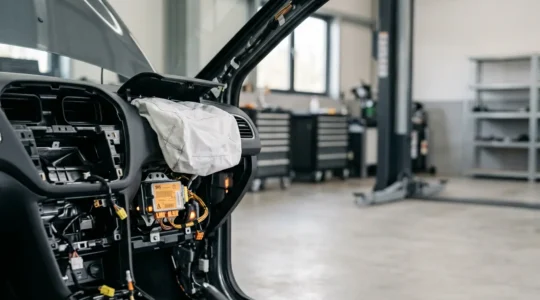
Is a Car Truly Safe After an Airbag Replacement?
A replaced airbag does not automatically make a vehicle safe; true safety depends on the complete and expert restoration of the entire, interconnected crash management system. An airbag is just…
Lire la suite
Is Subscribing to a Car Cheaper Than Buying One for City Dwellers?
For most urban professionals, abandoning traditional car ownership in favor of a flexible « mobility portfolio » drastically reduces costs and increases lifestyle freedom. Owning a car in a dense city isn’t…
Lire la suite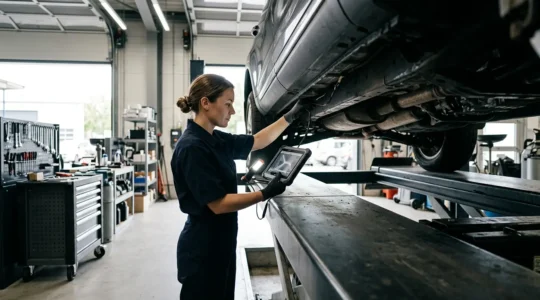
How to Spot a Fake « Specialist » Before They Dismantle Your Car?
Spotting a bad mechanic isn’t about looking for grease stains; it’s about decoding their business model to see if their profits come from solving your problem or from exploiting it….
Lire la suite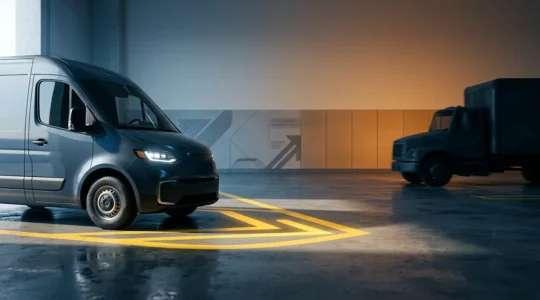
How to Adapt Your Fleet Strategy to Emerging Mobility Trends Without Losing Capital?
The future of fleet profitability isn’t about owning the newest technology, but mastering its financial lifecycle and mitigating the risk of obsolescence. True Total Cost of Ownership (TCO) for EVs…
Lire la suite