Road Safety & Prevention
Every time you turn the ignition key, dozens of safety systems activate silently to protect you. From the tire pressure sensors monitoring your wheels to the stability control ready to correct a skid, modern vehicles contain more accident-prevention technology than ever before. Yet most drivers remain unaware of how these systems function—or what happens when they fail.
Road safety extends far beyond simply obeying speed limits. It encompasses vehicle maintenance, regulatory inspections, driver awareness, and increasingly sophisticated electronic systems that work together to prevent collisions. Understanding these interconnected elements transforms you from a passive passenger relying on technology into an informed driver who knows when systems are working correctly and when intervention is needed.
This comprehensive resource explores the critical components of vehicle safety: from foundational systems like ABS and TPMS to emerging technologies including smart road infrastructure and advanced driver assistance. Whether you drive a personal vehicle or manage a commercial fleet, the knowledge here will help you maintain safer vehicles and make better decisions behind the wheel.
Why Tire Pressure Monitoring Deserves Your Attention
Underinflated tires cause approximately 11,000 accidents annually according to transportation safety research. Your Tire Pressure Monitoring System (TPMS) serves as the first defense against this preventable hazard, yet many drivers ignore the warning light or misunderstand what it indicates.
How TPMS Technology Works
Two distinct technologies monitor your tire pressure. Direct TPMS uses sensors inside each tire that transmit actual pressure readings to your dashboard. Indirect systems calculate pressure by comparing wheel rotation speeds through your ABS sensors—an underinflated tire has a slightly smaller diameter and rotates faster.
Each approach has trade-offs. Direct systems provide precise readings but require sensor battery replacement every five to seven years. Indirect systems cost less but cannot display actual pressure numbers and may trigger false alarms after tire rotations.
Common TPMS Problems and Solutions
Temperature fluctuations create the most frequent TPMS complaints. Tire pressure drops approximately one PSI for every ten-degree Fahrenheit decrease in ambient temperature. A tire inflated correctly during summer may trigger warnings on cold autumn mornings without any actual leak.
Sensor maintenance mistakes also cause premature failures. Metal valve stem caps can corrode and seize onto aluminum sensors, destroying components that cost up to eighty dollars each. Always use plastic caps on TPMS-equipped wheels.
Understanding Your Anti-lock Braking System
ABS prevents wheel lockup during hard braking, allowing you to maintain steering control in emergencies. However, this critical safety system behaves differently than many drivers expect, particularly on loose or slippery surfaces.
When ABS Behaves Unexpectedly
On gravel, snow, or loose dirt, ABS can actually increase stopping distances compared to locked wheels. A sliding tire creates a wedge of material in front of it that aids braking. ABS prevents this wedge formation by keeping wheels rotating. Understanding this limitation helps you anticipate longer stops on unpaved roads.
Unexpected ABS activation at low speeds on dry pavement usually indicates sensor problems rather than system malfunction. Contaminated wheel speed sensors, damaged reluctor rings, or corroded wiring frequently cause these phantom activations.
Maintaining ABS Components
The magnetic speed sensors that feed data to your ABS module accumulate metallic debris from brake pads over time. Gentle cleaning with non-abrasive materials restores proper function. However, the sensor mounting and reluctor ring require careful inspection—rust or physical damage to these components triggers warning lights and disables the system.
Brake fluid hygiene directly impacts ABS longevity. Contaminated fluid corrodes the intricate internal passages of ABS modulators, turning a routine fluid change into an eight-hundred-dollar repair.
Passing Vehicle Safety Inspections Without Surprises
Safety inspections catch problems that could cause accidents or breakdowns. Knowing what inspectors examine helps you address issues before they cause failures—and unexpected repair bills.
The Most Common Failure Points
Misaligned headlights rank among the leading causes of inspection failure. Headlights that aim too high blind oncoming traffic; those aimed too low reduce your visibility. Adjustment requires minimal time but catches many drivers off guard.
Other frequent failure triggers include:
- Tire tread depth below minimum thresholds (easily checked with a gauge or coin method)
- Windshield cracks in the driver’s primary viewing zone
- Structural rust that compromises frame integrity (surface rust alone typically passes)
- Brake line corrosion showing visible deterioration
- Window tint exceeding legal darkness limits
Pre-Inspection Preparation
A systematic check before your appointment prevents most failures. Verify all lights function correctly, including brake lights, turn signals, and license plate illumination. Check that wipers clear the windshield effectively and that horn, mirrors, and seatbelts operate properly.
One critical mistake involves disconnecting the battery before inspection to clear warning lights. This action resets your vehicle’s OBD readiness monitors, and incomplete monitors cause automatic inspection failure in most jurisdictions.
Smart Road Infrastructure: Technology Beyond Your Vehicle
Road safety increasingly depends on infrastructure that communicates with vehicles and adapts to conditions. These emerging technologies promise significant accident reduction as deployment expands.
Variable Speed Limits and Smart Signage
Static speed limits represent average safe speeds but cannot account for real-time conditions. Variable speed limit systems adjust displayed speeds based on traffic density, weather, and incidents ahead. Studies consistently show these systems reduce rear-end collisions and smooth traffic flow better than constant limits.
Smart signs now detect hazardous conditions before drivers can perceive them. Sensors identify black ice formation, fog density, and standing water, triggering warnings that reach drivers in time to react safely.
Vehicle-to-Infrastructure Communication
V2I communication allows traffic signals and road signs to transmit data directly to equipped vehicles. Self-driving cars rely heavily on this information, but even conventional vehicles benefit from advance warning of signal timing or road hazards.
Security concerns accompany these connected systems. Researchers have identified vulnerabilities that could theoretically allow unauthorized changes to speed limit displays or traffic signal timing. Addressing these risks remains essential as smart infrastructure deployment accelerates.
Fleet Safety and Commercial Driver Management
Commercial vehicles face heightened scrutiny and unique safety challenges. Maintaining roadworthiness across high-mileage fleets while managing driver fatigue requires systematic approaches.
Roadworthiness for Commercial Vehicles
Fleet inspections often apply different standards than personal vehicle checks. Understanding whether state or federal criteria govern your trucks prevents compliance failures. Key inspection focus areas include brake adjustment, coupling devices, cargo securement, and frame integrity.
Component wear accelerates in commercial service. Ball joints, brake lines, and suspension components require more frequent inspection. Identifying problems early—through techniques like checking ball joint play without a lift—prevents roadside failures and violations.
Managing Driver Fatigue and Retention
Fatigued driving causes approximately thirteen percent of commercial vehicle crashes. Hours-of-service regulations establish mandatory rest periods, but effective fatigue management goes beyond compliance.
Route planning that maximizes productive miles while respecting HOS limits, scheduling strategies that avoid driving during circadian low points, and investment in quality sleeper cab amenities all contribute to both safety and driver retention in competitive labor markets.
How Advanced Driver Assistance Systems Protect You
Modern vehicles increasingly intervene to prevent accidents before they occur. Understanding ADAS capabilities and limitations helps you use these systems effectively.
The Promise and Limits of Automation
Advanced safety systems demonstrably reduce accidents. Automatic emergency braking, blind-spot monitoring, and lane-keeping assistance each address specific crash types. Insurance data confirms vehicles equipped with these technologies experience fewer claims.
However, no current system eliminates driver responsibility. Automation complacency—the tendency to over-rely on safety systems—actually increases certain accident types. Drivers must remain engaged even when assistance systems are active.
System Degradation Over Time
ADAS sensors require calibration and maintenance. Camera lenses obscured by dirt, radar units blocked by aftermarket accessories like bull bars, and software requiring updates all reduce system effectiveness. Older vehicles may reach a point where outdated safety technology becomes a liability rather than an asset.
Lane Keeping Technology: Assistance Versus Annoyance
Lane departure warning and lane keeping assist represent different intervention levels. Warning systems alert you to unintentional lane drift; assist systems actively steer the vehicle back into the lane.
Configuration and Limitations
Proper configuration prevents frustrating false interventions. Systems can typically be adjusted for sensitivity and can often be temporarily disabled for situations like construction zones where lane markings are confusing or absent.
Environmental conditions significantly affect reliability. Heavy rain that obscures lane markings, faded paint, and narrow roads with unclear boundaries all degrade system performance. Knowing when your lane assist may quit working prevents dangerous surprises.
Automatic Emergency Braking: Your Electronic Safety Net
AEB systems detect imminent collisions and apply brakes if the driver fails to respond. This technology prevents or mitigates thousands of rear-end crashes annually.
Why False Activations Occur
Phantom braking—unexpected deceleration without actual obstacles—frustrates drivers and creates hazards. These events typically result from disagreement between radar and camera systems or misinterpretation of overpasses, shadows, or roadside objects.
Understanding that AEB uses multiple sensor types helps diagnose problems. Radar excels at detecting metal objects and measuring distance; cameras interpret visual scenes. When these inputs conflict, the system may err toward caution.
Working With Your AEB System
Driver braking does not necessarily cancel emergency intervention—systems are designed to supplement human input. However, testing your AEB requires controlled conditions; never deliberately trigger the system in traffic. Manufacturer documentation explains indicator lights and self-test procedures.
Electronic Stability Control: Physics on Your Side
ESP (Electronic Stability Program) or ESC detects when your vehicle begins to skid and applies individual brakes to restore control. This invisible intervention prevents countless single-vehicle accidents.
How Stability Control Saves You
When sensors detect understeer or oversteer, the system brakes specific wheels to create corrective yaw forces. This happens before you feel the skid fully develop. On black ice, ESP cannot create traction that does not exist, but it can prevent the overcorrection that spins vehicles.
Wheel speed sensor failures disable ESP entirely. A flashing ESP light on dry pavement indicates sensor problems requiring immediate diagnosis rather than dangerous road conditions.
When to Disable Traction Control
Deep snow, sand, or mud sometimes requires wheel spin to gain traction. Traction control prevents this spin, potentially leaving you stuck. Most vehicles allow temporary traction control deactivation while maintaining stability control protection.
Understanding the distinction between traction control and stability control—and knowing your vehicle’s specific disable procedures—gives you appropriate options for challenging conditions.
Road safety ultimately depends on informed drivers who understand their vehicles’ capabilities and limitations. Whether maintaining basic systems like tire pressure and brakes, preparing for inspections, or navigating the complexities of modern driver assistance technology, knowledge transforms passive reliance into active partnership with the systems designed to protect you. Each topic explored here connects to detailed resources addressing specific questions and scenarios you may encounter.

ESP on Black Ice: Will It Save You or Do You Need to Steer?
Your car’s Electronic Stability Program (ESP) isn’t a magical forcefield; it’s a predictive physics engine that can be outsmarted by physics, faulty parts, or a driver who misunderstands its purpose….
Lire la suite
How to Prevent « Phantom Braking » Events on the Highway?
The terrifying experience of « phantom braking » is not a random glitch but a predictable conflict between your car’s radar and camera systems. This guide demystifies why these sensor disagreements happen,…
Lire la suite
Lane Assist on Narrow Roads: Helpful Safety Feature or Dangerous Annoyance?
The constant battle with your Lane Keep Assist isn’t your fault; it’s a design flaw in how the system communicates. Most systems are rigid, rule-based followers, not intelligent co-pilots that…
Lire la suite
Do Advanced Safety Systems Actually Lower Your Insurance Premiums? An Actuarial Analysis
From an actuarial standpoint, advanced safety systems do not automatically guarantee lower insurance premiums because they introduce a new, complex risk profile that can offset their benefits. System performance is…
Lire la suite
How to Reduce Long-Haul Driver Turnover in a High-Demand Market?
The key to slashing driver turnover is treating retention as a data-driven operational system, not an HR problem. Investing in driver-centric specs like premium sleeper cabs has a quantifiable return,…
Lire la suite
How to Pass Roadworthiness Checks with High-Mileage Fleets Without Expensive Repairs?
Passing a roadworthiness inspection with an aging fleet is not about achieving perfection; it’s about mastering the specific regulatory failure thresholds to distinguish between critical, non-negotiable repairs and cosmetic issues…
Lire la suite
How Will Smart Road Signs Revolutionize Your Commute Safety by 2030?
Smart infrastructure is no longer about just managing traffic; it’s about creating a predictive, collaborative ecosystem that actively prevents accidents and gridlock before they happen. Vehicle-to-Infrastructure (V2I) communication enables roads…
Lire la suite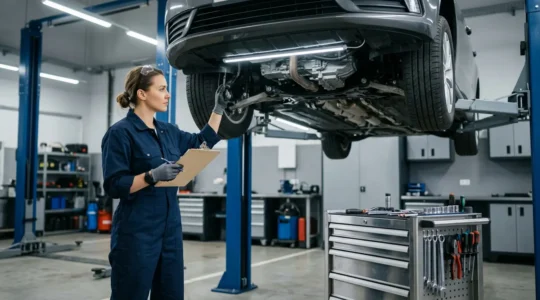
How to Pre-Check Your Car to Pass the Safety Inspection on the First Try?
In summary: Focus on the top « deal-breaker » items: misaligned headlights are the #1 reason for failure. Learn the difference between a quick tire check (coin test) and an accurate one…
Lire la suite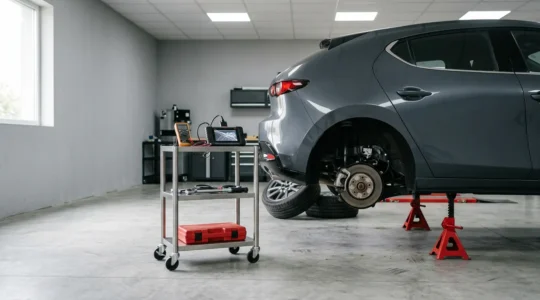
Troubleshooting Unwanted ABS Activation at Low Speeds on Dry Pavement
In summary: False ABS activation at low speeds is not a random glitch but a symptom of a poor signal-to-noise ratio from a wheel speed sensor. The root cause is…
Lire la suite
Why Your TPMS Light Is On Despite Your Tires Looking Full?
That stubborn TPMS light on your dash, even when your tires look perfectly fine, is a common source of anxiety for drivers. It’s not a glitch; it’s a messenger. This…
Lire la suite