Maintenance & Repairs
Modern vehicles are engineering marvels containing dozens of interconnected systems—each demanding specific attention to perform reliably. From the sophisticated continuously variable transmission that optimizes fuel economy to the air suspension providing a magic-carpet ride, every component follows its own maintenance rhythm. Understanding these systems transforms you from a passive car owner into an informed driver who can spot problems early, communicate effectively with mechanics, and make smarter repair decisions.
This resource covers the essential maintenance and repair knowledge every vehicle owner should possess. Whether you’re trying to decode a mysterious check engine light, wondering why your luxury SUV sits lower on one side, or questioning whether your safety systems need recalibration after a windshield replacement, you’ll find foundational guidance here. Each section introduces critical concepts and common issues, preparing you to dive deeper into specific topics that match your situation.
Think of vehicle maintenance like healthcare: preventive care costs far less than emergency treatment, and understanding your own symptoms helps you get better care. Let’s explore the key systems that keep your vehicle safe, reliable, and valuable.
Why CVT Transmission Care Demands Special Attention
The CVT (Continuously Variable Transmission) operates fundamentally differently from traditional automatics. Instead of fixed gears, it uses a steel belt or chain running between two variable-diameter pulleys—imagine two yo-yos connected by a rubber band, constantly adjusting their size relationship. This elegant design delivers seamless acceleration but requires specific maintenance approaches.
The « Lifetime Fluid » Myth
Many manufacturers advertise « lifetime » transmission fluid, but this marketing term often means « lifetime of the warranty period. » In reality, CVT fluid degrades under heat and stress. Most independent transmission specialists recommend fluid changes every 30,000 to 60,000 miles, especially for vehicles driven in demanding conditions. The fluid serves as both lubricant and hydraulic medium—when it breaks down, metal-to-metal contact accelerates wear exponentially.
Recognizing Warning Signs
CVT problems rarely appear without warning. Learning to distinguish sounds can save thousands in repairs:
- Whining during acceleration: Often indicates low fluid or early belt wear—typically addressable with service
- Grinding or shuddering: Suggests serious internal damage requiring immediate professional evaluation
- Delayed engagement: May indicate valve body issues or critically low fluid
Heat remains the CVT’s greatest enemy. Drivers who frequently tow, climb hills, or sit in traffic should consider auxiliary transmission coolers—a relatively inexpensive modification that can dramatically extend transmission life beyond 150,000 miles.
Air Suspension: Luxury That Requires Vigilance
Air suspension systems replace traditional steel springs with rubber air bladders, compressors, and electronic controls. This technology delivers adjustable ride height and exceptional comfort but introduces complexity that demands proactive monitoring.
Detecting Problems Before Compressor Failure
The air compressor works hardest when compensating for leaks—running continuously to maintain pressure that escapes through deteriorating components. A compressor cycling more than once every few minutes when parked suggests a leak somewhere in the system. Left unchecked, the overworked compressor will eventually burn out, turning a $200 air spring replacement into a $1,500 compressor-plus-spring repair.
Common leak sources include:
- Air springs developing cracks (especially in sidewalls exposed to road debris)
- Valve blocks with deteriorating O-rings
- Airline connections vibrating loose over time
- Height sensors with worn linkages
Environmental Challenges
Cold weather presents particular challenges for air suspension. Moisture in the system can freeze, blocking airlines or damaging valve seals. The rubber air springs also become less flexible in extreme cold, making them more susceptible to cracking. Parking in a garage when possible and ensuring the system holds pressure overnight helps prevent freeze-related failures.
For owners facing repeated expensive repairs, conversion kits that replace air components with traditional coil springs offer a permanent solution—though they sacrifice the adjustable ride height and self-leveling capability that made air suspension desirable initially.
How to Interpret Diagnostic Trouble Codes Effectively
When your check engine light illuminates, your vehicle’s computer has detected something outside normal parameters and stored a diagnostic trouble code (DTC). Understanding how to retrieve and interpret these codes empowers you to make informed decisions about urgency and repair options.
Code Types and Their Implications
Not all codes carry equal weight. The system distinguishes between:
- Pending codes: Detected once but not confirmed—may resolve without intervention
- Stored/confirmed codes: Detected multiple times, triggering the warning light
- Permanent codes: Cannot be cleared manually; require the vehicle to pass self-tests
A code like P0420 (catalyst system efficiency below threshold) might indicate an expensive catalytic converter failure—or simply an oxygen sensor needing replacement. Context matters enormously, which is why codes provide starting points for diagnosis rather than definitive answers.
Choosing the Right Diagnostic Tool
Basic Bluetooth OBD-II adapters paired with smartphone apps work well for reading engine codes and monitoring basic parameters. However, accessing ABS, airbag, or transmission codes typically requires more capable scan tools. Professional-grade handheld scanners offer broader system access and more reliable connections, justifying their higher cost for serious DIY mechanics or those with multiple vehicles to maintain.
One often-overlooked diagnostic trap: low battery voltage can trigger false codes throughout multiple systems. Before chasing complex electrical gremlins, always verify the battery and charging system are performing properly.
Service Records: Building Value Through Documentation
Comprehensive maintenance documentation does more than prove you changed the oil—it creates tangible financial value. Vehicles with complete service histories typically command 15-20% higher resale prices than identical models with spotty records. Buyers interpret thorough documentation as evidence of conscientious ownership.
Following the Right Schedule
Most owner’s manuals contain two maintenance schedules: « normal » and « severe. » Surprisingly, many drivers qualify for the severe schedule without realizing it. Conditions triggering severe service intervals include:
- Frequent short trips (under 10 miles) where the engine never fully warms up
- Stop-and-go driving or extended idling
- Dusty or unpaved road conditions
- Temperature extremes (very hot or cold climates)
- Towing or carrying heavy loads
City drivers often need the severe schedule despite perceiving their driving as « normal. » Following the appropriate interval prevents premature wear while avoiding unnecessary service expenses.
Documentation Best Practices
Whether you prefer paper receipts organized in a folder or digital apps that track mileage and services automatically, consistency matters most. Record every service with date, mileage, work performed, and parts used. For critical items like timing belt replacement—which involves both mileage and age limits—precise documentation prevents either premature replacement or catastrophic failure from waiting too long.
Be aware that some extended warranty contracts contain strict mileage overage clauses. Exceeding a service interval by even 500 miles could potentially void coverage, making meticulous tracking financially important beyond resale considerations.
ADAS Calibration: When Safety Systems Need Realignment
Advanced Driver Assistance Systems rely on cameras, radar, and ultrasonic sensors positioned with millimeter precision. When these components move even slightly, the systems they support—lane keeping, adaptive cruise control, automatic emergency braking—may malfunction in subtle but dangerous ways.
Events Requiring Calibration
Many drivers don’t realize that routine repairs can affect ADAS functionality:
- Windshield replacement: Forward-facing cameras mounted to the glass require recalibration
- Suspension or alignment work: Changes vehicle geometry that sensors rely upon
- Bumper repairs or repainting: Can affect radar sensors hidden behind fascias
- Wheel or tire changes: Different diameters alter speed calculations
A radar sensor misaligned by just one degree can create significant targeting errors at highway distances—the difference between braking for the vehicle ahead versus the one in the adjacent lane.
Static Versus Dynamic Calibration
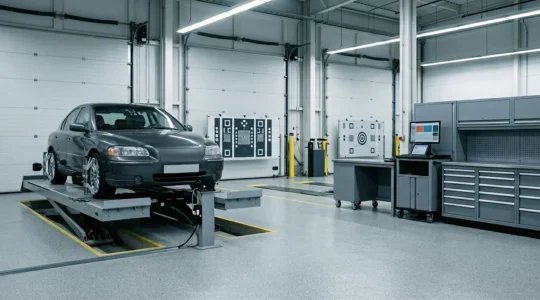
Some systems require static calibration using targets positioned precisely around the vehicle in a controlled environment. Others use dynamic calibration, driving a specific route while the system self-adjusts using road markings and environmental references. Many vehicles require both procedures. Using improper methods—or skipping calibration entirely after qualifying events—compromises the safety features you’re counting on.
Airbag Systems: Safety That Demands Respect
Supplemental Restraint Systems (SRS) represent your vehicle’s last line of defense in a collision. Understanding airbag maintenance, replacement protocols, and potential hazards protects both your safety and your wallet.
Replacement and Inspection Concerns
After deployment, airbags must be professionally replaced along with associated components like seat belt pretensioners and potentially the airbag control module. The module stores crash data and may require replacement rather than simple reset, depending on severity. Attempting to reuse modules with stored crash data can leave the system non-functional—a dangerous and potentially illegal condition.
Counterfeit airbags pose a serious threat in the used parts market. Signs of potentially fraudulent airbag work include:
- Airbag covers with inconsistent texture or color matching
- Missing or misspelled warning labels
- SRS warning light behavior that seems abnormal
- Repair prices significantly below market rates
Age and Seating Position Considerations
While manufacturers don’t universally mandate airbag expiration dates, many specialists recommend inspection of systems exceeding 15 years of age. The chemical propellants and component materials can degrade over extended periods. Equally important is proper seating position—sitting too close to the steering wheel or dashboard transforms these protective devices into potential injury sources during deployment.
Maintaining awareness of airbag system health, ensuring professional installation of replacement components, and respecting seating position guidelines preserves the life-saving potential these systems offer.
Vehicle maintenance combines technical knowledge, systematic attention, and informed decision-making. Each system discussed here—transmissions, suspensions, diagnostics, documentation, driver assistance, and safety restraints—deserves deeper exploration based on your specific vehicle and circumstances. Understanding these fundamentals positions you to recognize problems earlier, evaluate repair recommendations critically, and maintain both the safety and value of your vehicle throughout its service life.
Why Your Lane Keep Assist Pulls to the Right After Windshield Replacement?
If your car is pulling to one side after a windshield replacement, it’s a clear sign the camera for your Advanced Driver-Assistance Systems (ADAS) is misaligned. This isn’t a mechanical…
Lire la suite
How to build a « full service history » that increases resale value by 20%?
A complete service history can increase your car’s value by 20%, but only if it’s treated as a financial document, not just a folder of receipts. Most owners unknowingly devalue…
Lire la suite
How to Interpret « P0420 » and Other Common Codes Without a Mechanic?
In summary: A diagnostic code (like P0420) is a symptom, not the final diagnosis. It’s the starting point for your investigation. Understanding live data from your scanner, such as fuel…
Lire la suite
How to Detect a Slow Air Suspension Leak Before the Compressor Burns Out?
That subtle overnight sag on your Land Rover or Mercedes isn’t just a cosmetic issue; it’s the first symptom in a chain of failure that inevitably leads to a seized,…
Lire la suite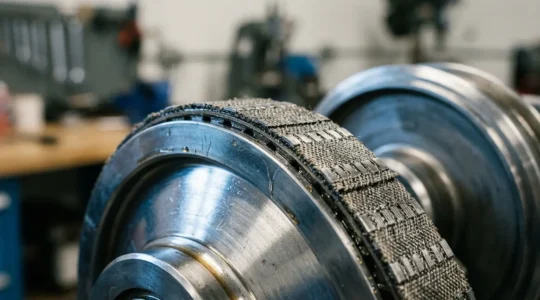
A Rebuilder’s Guide to Making Your CVT Last Beyond 150,000 Miles
The widespread fear of CVT failure is justified, but not inevitable; longevity hinges on rejecting the « lifetime » fluid myth and adopting a proactive, expert-level maintenance mindset. Fluid is not forever….
Lire la suite