Transport & Logistics
The automotive industry depends on a complex web of transportation and logistics systems to move vehicles from manufacturing plants to dealerships and customers worldwide. Every new car that arrives at a showroom has traveled through a carefully orchestrated network involving specialized carriers, distribution centers, and tracking systems. Understanding how this intricate process works reveals not only the scale of modern automotive operations but also the challenges and innovations shaping vehicle delivery.
Whether you’re curious about how cars reach their destinations, interested in the technology behind fleet management, or exploring career opportunities in automotive logistics, this comprehensive overview will walk you through the fundamental concepts, methods, and emerging trends that keep millions of vehicles moving efficiently across continents.
Understanding Automotive Transportation Methods
Transporting vehicles requires specialized equipment and techniques that differ dramatically from general freight shipping. The choice of transportation method depends on factors like distance, vehicle value, quantity, and delivery timeline.
Open-Air Car Carriers
The most common sight on highways, open-air multi-car transporters can haul between seven and ten vehicles simultaneously. These carriers use hydraulic systems to load cars onto upper and lower decks, maximizing efficiency for dealership deliveries. Think of them as moving parking garages—they’re cost-effective because they transport multiple units per trip, distributing fuel and labor costs across several vehicles. This method handles roughly 80% of domestic vehicle transportation, making it the backbone of automotive logistics.
Enclosed Transport Solutions
High-value vehicles, classic cars, and luxury models often require enclosed transport to protect them from weather, road debris, and potential damage. These specialized trailers cost significantly more than open carriers but provide climate-controlled environments and complete protection. Collectors shipping vintage automobiles or manufacturers delivering limited-edition models typically specify this premium service, accepting higher costs for guaranteed protection.
Rail and Overseas Shipping
For long-distance domestic routes, rail transport offers an economical alternative, particularly when time sensitivity isn’t critical. Multi-level railcars can carry dozens of vehicles per trip with minimal environmental impact per unit. International shipments rely on Roll-on/Roll-off (RoRo) vessels—purpose-built ships where vehicles are driven onto massive cargo decks through ramps, then secured for ocean transit. A single RoRo ship can transport thousands of vehicles across continents, making global automotive trade economically viable.
Supply Chain and Distribution Networks
Behind every vehicle delivery lies a sophisticated network of staging areas, distribution centers, and routing algorithms that optimize the flow from production line to customer driveway.
Automotive manufacturers maintain regional distribution hubs strategically positioned near major markets. These facilities serve as temporary storage and processing centers where vehicles await assignment to specific dealerships based on orders and inventory needs. The hub-and-spoke model allows manufacturers to consolidate shipments—instead of sending individual carriers to distant factories, dealerships receive vehicles from nearby hubs, reducing transportation time and costs.
Modern distribution networks employ just-in-time logistics principles adapted from manufacturing. Rather than stockpiling thousands of vehicles at dealerships (which ties up capital and space), systems coordinate arrivals to match projected sales patterns. When a customer orders a specific configuration, the logistics network locates that vehicle—whether still in production, at a port, or in a regional hub—and routes it through the fastest available path. This synchronized approach minimizes inventory costs while maintaining availability.
Third-party logistics providers (3PLs) increasingly manage these operations, offering specialized expertise in routing optimization, carrier coordination, and documentation. Their technology platforms integrate with manufacturer systems, providing real-time visibility across the entire supply chain from assembly plant to final delivery point.
Technology Driving Modern Logistics
Digital transformation has revolutionized how the automotive industry tracks, manages, and optimizes vehicle transportation across global networks.
Real-Time Tracking and Visibility
GPS-enabled telematics devices attached to carriers and individual vehicles provide location data updated every few minutes. Dealerships and customers can monitor shipments through web portals, receiving estimated arrival times that automatically adjust based on traffic conditions, weather delays, or route changes. This transparency reduces customer anxiety and allows dealerships to schedule staff and prepare documentation before vehicles arrive.
Fleet Management Systems
Logistics companies use sophisticated software platforms that function like air traffic control for ground transportation. These systems monitor hundreds of carriers simultaneously, analyzing routes for efficiency, assigning pickups based on proximity, and predicting maintenance needs before breakdowns occur. Artificial intelligence algorithms continuously optimize routing by considering factors like fuel costs, driver hours regulations, and delivery priorities—adjustments that human dispatchers couldn’t process at scale.
Blockchain for Documentation
The automotive supply chain generates massive paperwork: titles, inspection certificates, customs declarations, and delivery confirmations. Emerging blockchain applications create tamper-proof digital records that all parties can access instantly. When a vehicle crosses international borders, blockchain-verified documentation accelerates customs clearance, reducing port delays that previously added days to delivery schedules.
Regulatory Compliance and Safety Standards
Automotive logistics operates under strict regulatory frameworks designed to protect both transported vehicles and public safety on highways where massive car carriers travel.
Transportation carriers must maintain specialized licensing and insurance coverage that exceeds requirements for general freight. These regulations ensure carriers can cover potential damage to high-value cargo while meeting safety standards for equipment that can weigh over 40 tons when fully loaded. Driver qualifications include specific training for loading, securing, and transporting vehicles without causing damage.
Weight restrictions and dimensional limits vary by jurisdiction, requiring logistics planners to understand regulations for every route segment. A carrier legal in one state might exceed height restrictions when crossing into another, necessitating alternate routing. International shipments add layers of customs compliance, emissions standards verification, and import documentation that must be perfectly executed to avoid costly delays at borders and ports.
Safety inspections occur at multiple stages: before loading, during transport at weigh stations, and upon delivery. Damage discovered at delivery checkpoints must be documented immediately, triggering insurance claims processes. This emphasis on safety and accountability protects manufacturers’ reputations and ensures customers receive vehicles in factory-new condition.
Cost Optimization in Transport Operations
Transportation represents a significant expense in the automotive supply chain, prompting continuous efforts to reduce costs without compromising service quality or vehicle safety.
Backhaul optimization addresses one of logistics’ biggest inefficiencies: empty return trips. After delivering vehicles to one region, carriers often return empty to pick up their next load. Advanced routing systems now identify opportunities to pick up vehicles traveling the opposite direction, converting unprofitable deadhead miles into revenue-generating trips. This strategy can reduce per-vehicle transportation costs by 15-20%.
Fuel represents a major variable expense that logistics companies manage through multiple strategies. Route optimization software calculates the most fuel-efficient paths, sometimes choosing longer routes that avoid congested urban areas where stop-and-go traffic devastates fuel economy. Carriers increasingly invest in aerodynamic modifications and fuel-efficient trucks, recognizing that equipment upgrades pay for themselves through reduced operating costs.
Consolidation strategies group shipments heading to the same region, maximizing carrier capacity utilization. Rather than dispatching a half-loaded carrier immediately, logistics coordinators might delay departure by 24 hours to fill remaining spaces, reducing the total number of trips required. This balancing act between speed and efficiency requires sophisticated algorithms that weigh customer expectations against cost savings.
Environmental Impact and Sustainable Practices
As automotive manufacturers commit to reducing their carbon footprint, transportation and logistics operations face increasing pressure to adopt environmentally responsible practices.
The industry is gradually transitioning to alternative fuel carriers, including trucks powered by compressed natural gas, biodiesel, and hybrid electric systems. While these technologies currently cost more than conventional diesel trucks, their lower emissions align with corporate sustainability goals and prepare companies for future regulations likely to restrict fossil fuel usage in commercial transportation.
Route optimization contributes to environmental goals by reducing total miles traveled. Every percentage point improvement in route efficiency translates directly to fewer emissions across thousands of daily shipments. Some logistics providers now offer carbon-neutral shipping options where companies purchase verified carbon offsets to compensate for transportation emissions, appealing to environmentally conscious automotive brands.
Rail transport, which produces significantly fewer emissions per vehicle-mile than truck transportation, is experiencing renewed interest for medium and long-distance routes. Though slower than highway transport, rail’s environmental advantages make it attractive for non-urgent shipments, particularly as customers increasingly consider sustainability in purchasing decisions.
Understanding automotive transport and logistics reveals an industry far more sophisticated than simply moving cars from point A to point B. These complex systems balance efficiency, cost, safety, and environmental responsibility while adapting to technological innovations that continuously reshape what’s possible. Whether you’re tracking a vehicle delivery, considering a logistics career, or simply appreciating the coordinated effort behind every dealership lot, these fundamental concepts demonstrate the remarkable infrastructure supporting modern automotive commerce.

Passive Insulation vs. Active Cooling: Which Is Truly Cost-Effective for Your 24-Hour Shipments?
The most expensive cold chain mistake isn’t buying the wrong box—it’s making simple, unseen process errors that defeat your packaging’s thermal performance before it even leaves your facility. Tightly shrink-wrapping…
Lire la suite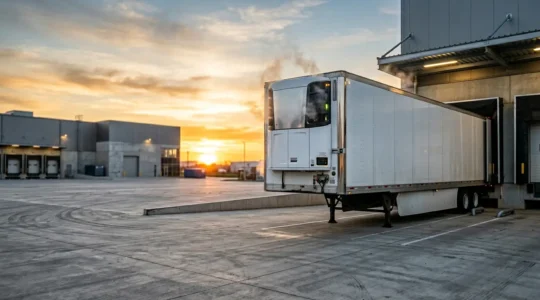
How to Prevent « Temperature Excursions » That Ruin Perishable Cargo?
A rejected load is not a failure of refrigeration; it is a failure of process. The common belief that a reefer unit’s setpoint guarantees cargo safety is a critical misunderstanding…
Lire la suite
How to Eliminate Parking Fines and Boost Last-Mile Delivery Speed
Parking fines aren’t a cost of doing business; they are a data point proving your delivery system is inefficient and misaligned with urban reality. Rethinking your vehicle mix by integrating…
Lire la suite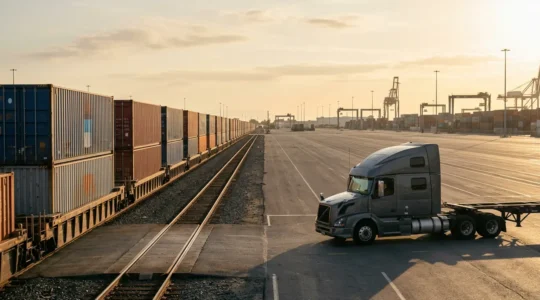
Rail vs. Truck: When Does Intermodal Transport Become Cheaper and Faster?
The true tipping point for intermodal savings isn’t a simple mileage rule; it’s the mastery of specific operational variables that are often overlooked. First and last-mile drayage isn’t just a…
Lire la suite
How to Lower Fleet Insurance Premiums by 15% Using Driver Data?
The key to significantly reducing your fleet insurance premiums isn’t just safer driving; it’s proving your commitment to risk management with irrefutable data presented as a financial case to your…
Lire la suite
How to Choose a Freight Forwarder That Won’t Ghost You During a Crisis?
The painful truth is that most businesses don’t choose a freight forwarder; they choose a freight salesperson. The real test of a partner isn’t when things go right, but how…
Lire la suite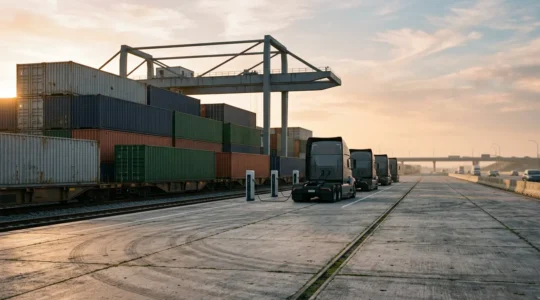
How to Cut Supply Chain Emissions by 20% While Lowering Costs?
Achieving a 20% reduction in supply chain emissions is not a budgetary burden; it’s a direct result of eliminating costly operational inefficiencies that are already impacting your bottom line. Wasted…
Lire la suite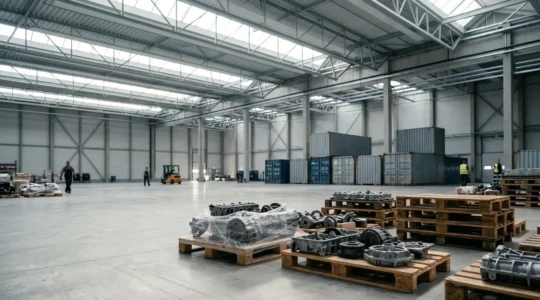
How to Clear Automotive Customs 3 Days Faster Without Paying Expedited Fees?
The secret to clearing automotive customs faster isn’t found in last-minute fixes, but in building a proactive logistics system that anticipates and neutralizes delays before they occur. Proactive tariff classification…
Lire la suite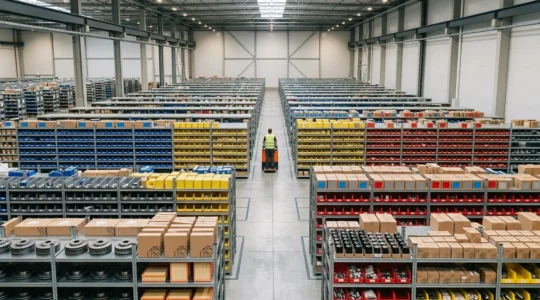
How to Reduce Parts Inventory Costs by 15% Without Risking Stockouts?
Slashing inventory costs isn’t about finding cheaper suppliers; it’s about eliminating the operational friction that secretly inflates your expenses and risk. The « cheapest » part often has the highest Total Cost…
Lire la suite