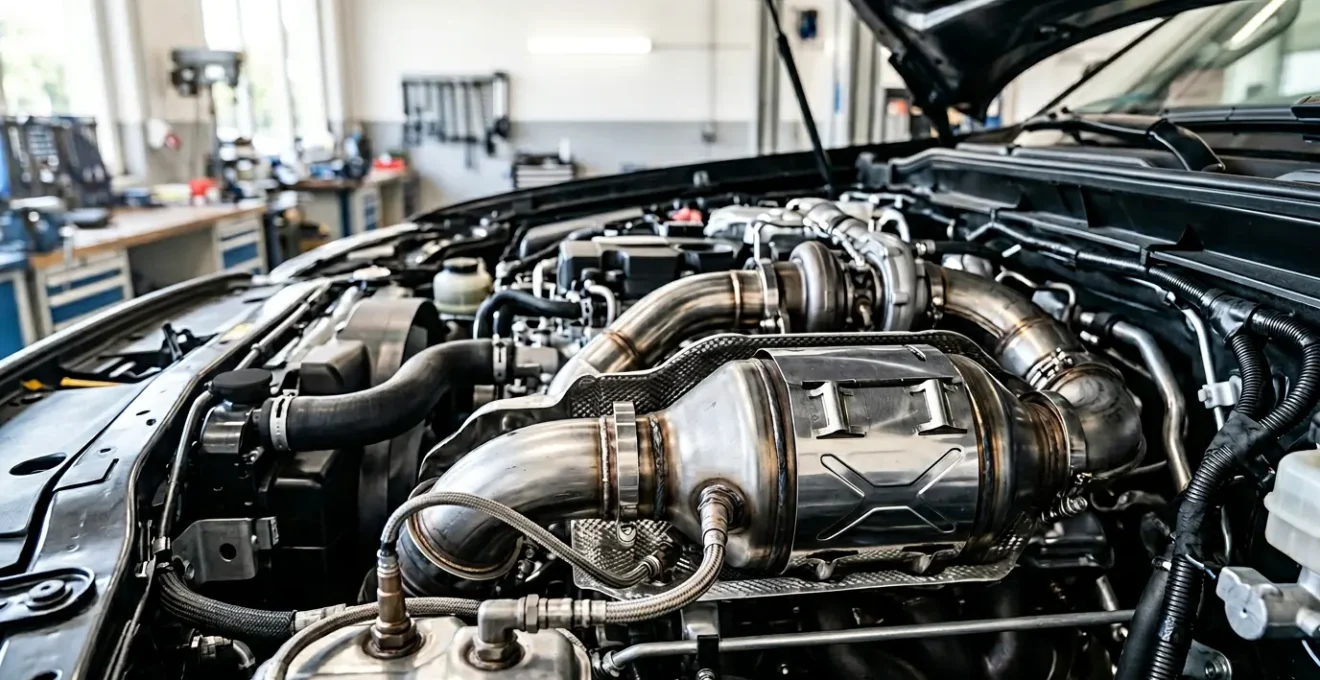
In summary:
- Ignoring or deleting emission control systems is a short-term, illegal fix that often increases harmful NOx emissions and guarantees failure in Low Emission Zones (LEZ).
- True compliance comes from understanding and proactively maintaining your vehicle’s integrated after-treatment systems: the EGR, DPF, and SCR.
- Simple maintenance like using certified AdBlue, managing DPF regeneration, and even choosing the right cabin filter are critical for both legal city access and engine health.
- Economical retrofits are often a more viable solution than purchasing a new vehicle, especially when supported by government or manufacturer subsidies.
Receiving a notice that your trusted diesel vehicle may soon be barred from entering a city center is a significant concern for many owners. As Low Emission Zones (LEZ) and Ultra Low Emission Zones (ULEZ) expand, the pressure to comply with strict nitrogen oxide (NOx) limits is mounting. The common advice often found in forums and back-alley garages suggests quick, but illegal, fixes like deleting the Diesel Particulate Filter (DPF) or blocking the Exhaust Gas Recirculation (EGR) valve. While these measures might solve a soot problem, they actively worsen the invisible NOx emissions that these zones are designed to combat.
This approach is a dead end, leading to failed inspections, fines, and ultimately, the very access restrictions you’re trying to avoid. The real, sustainable solution isn’t to fight against your vehicle’s emission control technology, but to master it. The key to ensuring your older diesel remains a viable, legal, and responsible mode of transport lies in a deeper understanding of its after-treatment systems. It’s about shifting from a reactive mindset of fixing warning lights to a proactive strategy of system health and optimization.
This guide moves beyond the myths and illegal shortcuts. We will explore the technical realities of your diesel’s emission control systems. You will learn why working *with* your EGR valve is critical, how to properly care for your AdBlue injector, when a DPF regeneration is necessary, and how to make informed financial decisions about compliance. By the end, you will be equipped with the knowledge of a compliance expert, ready to keep your vehicle on the road legally and efficiently.
This article provides a structured path to understanding and managing your diesel’s emissions. Below is a summary of the key areas we will cover, providing you with a complete toolkit for legal compliance.
Summary: A Diesel Owner’s Compliance Guide to NOx Emissions
- Why Blocking Your EGR Valve Increases Engine Temperature and NOx Output?
- How to Clean Crystallized AdBlue Injectors Without Buying New Ones?
- SCR Retrofit vs. New Vehicle: Which Is Financially Viable for Small Fleets?
- The Cabin Filter Mistake That Exposes You to High NOx in Traffic Jams
- When to Force a DPF Regeneration to Prevent NOx System Failure?
- The « Warm Up » Myth That Wastes Fuel on Modern Engines
- What is a CARB EO Number and Why Do You Need It for Intake Systems?
- How to Maintain Peak Horsepower While Meeting Euro 6 Emission Standards?
Why Blocking Your EGR Valve Increases Engine Temperature and NOx Output?
The idea of blocking or deleting the Exhaust Gas Recirculation (EGR) valve is a common but fundamentally flawed piece of advice in the diesel community. The primary purpose of the EGR system is not to hinder performance but to control NOx emissions at their source. It works by recirculating a small, precise amount of inert exhaust gas back into the combustion chamber. This process effectively lowers the peak combustion temperature, a critical factor in NOx formation. In fact, a functional EGR system lowers combustion chamber temperatures by almost 150°C, creating an environment less conducive to NOx creation.
Nitrogen oxides are formed under extreme heat and pressure. When you block the EGR valve, you prevent the inert exhaust gas from diluting the fresh air-fuel mixture. This leads to a hotter, more oxygen-rich combustion event, which dramatically increases engine temperatures and, consequently, the rate of NOx formation. As Volkswagen’s own engineering documentation confirms, this is a matter of pure chemistry:
NOx forms under elevated temperature conditions generally not present with a cold engine.
– Volkswagen Engineering Documentation, Wikipedia – Exhaust Gas Recirculation
Therefore, while an EGR delete might feel like it’s « cleaning up » the intake by preventing soot recirculation, you are trading a visible (soot) problem for an invisible but far more regulated one (NOx). For any vehicle needing to pass a modern emissions test or enter a Low Emission Zone, a functioning EGR system is not optional; it is the first line of defense against illegal NOx levels. Disabling it is a direct route to compliance failure.
How to Clean Crystallized AdBlue Injectors Without Buying New Ones?
The Selective Catalytic Reduction (SCR) system is your vehicle’s most powerful tool for neutralizing NOx after it has been formed in the engine. It works by injecting a precise mist of Diesel Exhaust Fluid (DEF), commonly known as AdBlue, into the exhaust stream. The ammonia in the AdBlue reacts with NOx in the SCR catalyst, converting it into harmless nitrogen and water. However, the system’s effectiveness hinges on a single, vulnerable component: the AdBlue injector. When AdBlue is exposed to air or heat, the water in it evaporates, leaving behind solid urea crystals. This AdBlue crystallization can clog the injector nozzle, disrupting the spray pattern and crippling the SCR system’s efficiency.
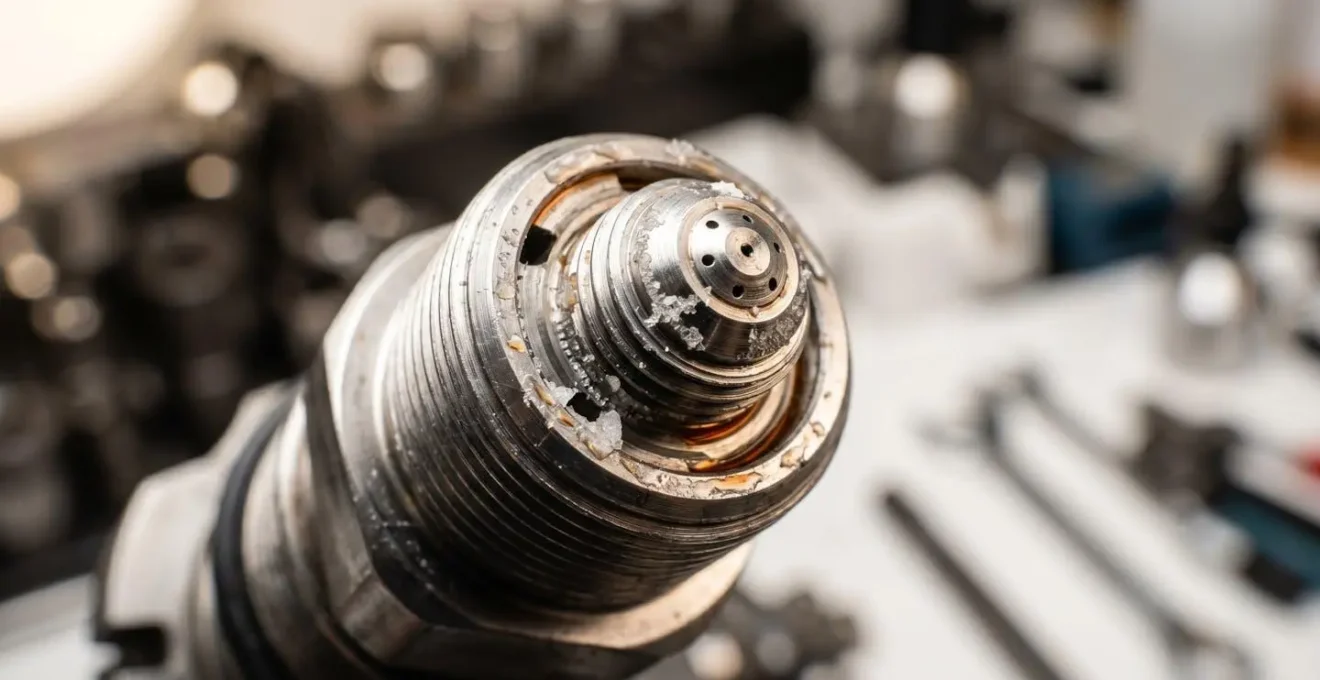
Before resorting to a costly replacement, a clogged injector can often be salvaged. The primary method involves careful removal and cleaning. Submerging the injector tip in deionized or distilled warm water can effectively dissolve the urea crystals without introducing mineral contaminants. A soft brush can be used to gently clear away stubborn deposits. It is crucial to avoid harsh chemicals or sharp tools that could damage the delicate nozzle. Prevention, however, is the best strategy. The single most effective way to prevent crystallization is to use high-quality DEF. According to industry standards, only ISO 22241-certified AdBlue ensures SCR system protection and contains the specific purity required to prevent premature crystallization and system damage. Using cheap, non-certified fluid is a false economy that will inevitably lead to expensive repairs.
SCR Retrofit vs. New Vehicle: Which Is Financially Viable for Small Fleets?
For owners of older diesels, particularly small business operators and fleet managers, the prospect of city bans presents a daunting financial question: invest in a costly new vehicle or explore retrofitting the existing one? While a new vehicle offers the latest technology, its price tag can be prohibitive, often exceeding $100,000 for a commercial truck. In contrast, retrofitting an existing, mechanically sound vehicle with a modern SCR system can be a far more economically viable path to compliance. A high-quality SCR retrofit can bring a Euro 4 or Euro 5 vehicle up to a standard equivalent to Euro 6 for NOx emissions, effectively extending its operational life for years at a fraction of the cost of replacement.
This isn’t just a theoretical solution. Governments and manufacturers have recognized its value. A prominent example is the program initiated in Germany to combat diesel bans in major cities. This initiative provided a clear blueprint for extending vehicle life through targeted upgrades.
Case Study: Germany’s Manufacturer-Subsidized SCR Retrofit Program
In 2019, Germany’s Federal Motor Transport Authority (KBA) officially approved the first SCR retrofit kits for passenger cars. In a significant move to support vehicle owners, Daimler launched a program to help owners of affected Mercedes-Benz models, offering a subsidy of up to 3,000 euros for the retrofit. This initiative was designed specifically to help drivers avoid driving bans and extend the useful life of their vehicles by up to 10 years, presenting a direct and financially attractive alternative to purchasing a new car.
Making the right decision requires a thorough audit of your vehicle’s current state and the potential return on investment from a retrofit. This checklist provides a framework for that evaluation.
Your Pre-LEZ Compliance Audit Checklist
- System Inventory: Document your vehicle’s current emissions system (e.g., Euro 4, Euro 5) and identify all after-treatment components (EGR, DPF, SCR if present). Note any existing fault codes or warning lights.
- Performance Baseline: Collect key performance data. Record your average fuel consumption, check for any noticeable power loss, and have a mechanic perform an OBD scan to check the health of sensors, especially the DPF differential pressure sensor.
- Regulatory Check: Identify the specific Euro standard or NOx g/km limit required by the LEZ you need to access. Compare this with your vehicle’s current certified standard to determine the exact emissions reduction gap.
- Condition Assessment: Conduct a thorough inspection of the engine and exhaust system. Is there excessive soot, oil leaks, or signs of AdBlue crystallization? A vehicle with poor engine health is not a good candidate for a retrofit alone.
- Financial Analysis: Obtain quotes for a certified SCR retrofit kit from reputable suppliers. Compare this cost against the vehicle’s current market value and the price of a compliant replacement vehicle to calculate your break-even point.
The Cabin Filter Mistake That Exposes You to High NOx in Traffic Jams
While the focus is often on the emissions your car produces, protecting yourself from the pollutants produced by others is just as important. In slow-moving, congested traffic, your vehicle is enveloped in a concentrated cloud of emissions, including high levels of NOx. Many drivers assume their standard cabin air filter protects them, but this is a common and dangerous misconception. A standard pollen filter is designed to trap particulate matter like dust, pollen, and soot, but it is completely ineffective against gaseous pollutants like nitrogen dioxide (NOx). These gases pass straight through a standard filter and are drawn into the cabin, directly exposing you and your passengers to harmful pollution levels that can be significantly higher than the ambient air outside the car.

The solution is twofold: using the right technology and adopting smart habits. The key technological upgrade is switching to an activated carbon cabin filter. This type of filter contains a layer of activated carbon, a material with a highly porous surface that adsorbs gaseous pollutants, trapping NOx molecules and preventing them from entering the cabin. This should be combined with the proactive use of your car’s air recirculation mode. When you enter a tunnel or get stuck in a traffic jam, switching to recirculation temporarily closes the external air intake, preventing the most polluted air from being drawn inside. This combination provides a powerful defense for your in-car air quality. To maintain this protection, you must adhere to a strict maintenance schedule.
- Proactively switch to recirculation mode in tunnels or heavy, slow-moving traffic.
- Insist on an activated carbon filter at every service, as standard pollen filters cannot adsorb gaseous NOx.
- Replace cabin filters every 12,000-15,000 km (approx. 7,500-9,500 miles) or annually, whichever comes first.
- Recognize signs of a saturated filter: musty odors, reduced airflow from vents, or windows that fog up easily.
When to Force a DPF Regeneration to Prevent NOx System Failure?
The Diesel Particulate Filter (DPF) is essential for controlling visible soot emissions, but its health is directly linked to the entire after-treatment system, including NOx control. The DPF traps soot, and to prevent clogging, it must periodically burn this soot off in a process called regeneration. This typically happens automatically at highway speeds when exhaust temperatures are high enough. However, a vehicle used primarily for short, low-speed city trips may never reach the required temperature for a full passive regeneration. When this happens, soot builds up, creating back-pressure in the exhaust. This back-pressure not only strangles engine performance and increases fuel consumption but can also trick the engine control unit (ECU) into making adjustments that inadvertently increase NOx emissions. Furthermore, research shows that low-load driving is already a prime condition for high NOx output; one study found that emissions at load rates below 30% during low-load cycles account for more than 67.5% of total NOx. A clogged DPF exacerbates this problem.
When the DPF warning light appears, it’s a sign that passive regeneration has failed and the filter is becoming dangerously clogged. At this point, you have a limited window to act before the system enters a « limp mode » to prevent damage, which requires a costly visit to a dealer. A forced regeneration is the solution. This can be done in two ways. The first is to drive the vehicle on a highway at a steady speed (typically over 40 mph / 65 kph) for at least 20-30 minutes to raise exhaust temperatures sufficiently. If this isn’t possible or doesn’t work, a mechanic can initiate a static regeneration using a diagnostic tool. This process runs the engine at a high RPM while stationary to generate the necessary heat. Being proactive and recognizing the need for a long, hot run after a period of city driving can prevent the DPF from ever reaching a critical state, ensuring the entire emissions system operates as intended.
The « Warm Up » Myth That Wastes Fuel on Modern Engines
The old habit of letting a car idle for several minutes to « warm up » is not only unnecessary for modern engines but is also counterproductive to their emissions control strategy. Unlike older carbureted engines, a modern diesel’s electronic control unit (ECU) is designed to manage a cold start with maximum efficiency. Its primary goal is not to warm the engine block for driver comfort, but to get the after-treatment system—specifically the SCR catalyst—to its optimal operating temperature as quickly as possible. An SCR system is largely ineffective when cold, and idling only prolongs this inefficient warm-up period, leading to higher emissions during the initial phase of a trip.
To achieve a rapid warm-up, modern engine management systems employ specific strategies that may seem counter-intuitive. They are programmed to prioritize heating the exhaust over engine efficiency in the first few minutes of operation. As the International Council on Clean Transportation (ICCT) explains, this is a deliberate engineering choice:
The control system needs to warm up the aftertreatment system as quickly as possible, while at the same time minimizing the NOx emissions coming from the engine. The most common strategy to rapidly warm up the aftertreatment system is to purposefully make the engine less efficient by delaying the injection.
– International Council on Clean Transportation (ICCT), NOx technology breakthrough analysis
The best practice for a modern diesel is to start the engine, ensure all warning lights are off, and begin driving gently within 30-60 seconds. Driving under a light load warms both the engine and the exhaust system far more quickly and efficiently than idling. This rapid warm-up allows the SCR system to begin converting NOx much sooner. Advanced systems show dramatic improvements with this strategy; testing by the Southwest Research Institute demonstrated that modified SCR configurations reduced NOx by up to 99% in the first 400 seconds after ignition, whereas standard systems only achieved 30% in the same period. Idling simply wastes fuel and allows your vehicle to emit uncontrolled NOx for longer.
What is a CARB EO Number and Why Do You Need It for Intake Systems?
For vehicle owners in California, or those installing parts certified there, the CARB EO number is a critical mark of compliance. CARB, the California Air Resources Board, sets some of the most stringent air quality standards in the world, often paving the way for federal regulations. An Executive Order (EO) number on an aftermarket part, such as a cold air intake or a performance exhaust, signifies that the part has been tested and proven not to increase the vehicle’s emissions beyond its certified limits. It is a legal guarantee that the modification is « smog legal. » Without a CARB EO number, installing an aftermarket intake or exhaust part on a pollution-controlled vehicle is illegal in California and other states that have adopted its standards.
The reasoning behind this strict regulation is to maintain the integrity of the entire emissions control system. The vehicle’s ECU is calibrated to work with the precise airflow characteristics of the factory intake. An uncertified aftermarket intake can alter airflow, causing the engine to run lean or rich, which can directly impact fuel efficiency and, critically, increase NOx emissions. The CARB certification process, established under initiatives like the Heavy-Duty Low NOx Omnibus regulation, ensures that any performance gains from a part do not come at the expense of air quality. This regulation was vital for meeting federal health-based air quality standards in heavily polluted regions.
When considering any modification that could affect your engine’s emissions, looking for a CARB EO number is essential, even if you don’t live in California. It serves as a benchmark for quality and environmental responsibility. It tells you that the manufacturer has invested in rigorous testing to ensure their product works in harmony with your vehicle’s complex after-treatment systems. Given that a properly functioning SCR system can be highly effective, choosing parts that support rather than hinder it is paramount for maintaining legal compliance.
Key takeaways
- Legal compliance is achieved by maintaining and optimizing factory emission systems (EGR, DPF, SCR), not by illegally deleting them.
- Proactive maintenance, such as using ISO-certified AdBlue and ensuring timely DPF regeneration, is more effective and cheaper than reactive repairs.
- SCR retrofits are a financially viable alternative to buying a new vehicle for gaining access to Low Emission Zones, often supported by subsidies.
How to Maintain Peak Horsepower While Meeting Euro 6 Emission Standards?
A common fear among diesel owners is that strict emissions controls, like those required by Euro 6 standards, inevitably lead to a loss of performance. While it’s true that after-treatment systems can be restrictive if not properly maintained, it is entirely possible to maintain—and even optimize—your vehicle’s power output while remaining fully compliant. The key is to view the engine and its after-treatment components not as separate entities, but as one integrated system where the health of one part directly affects the others. A well-maintained emissions system is the foundation of a well-performing engine.
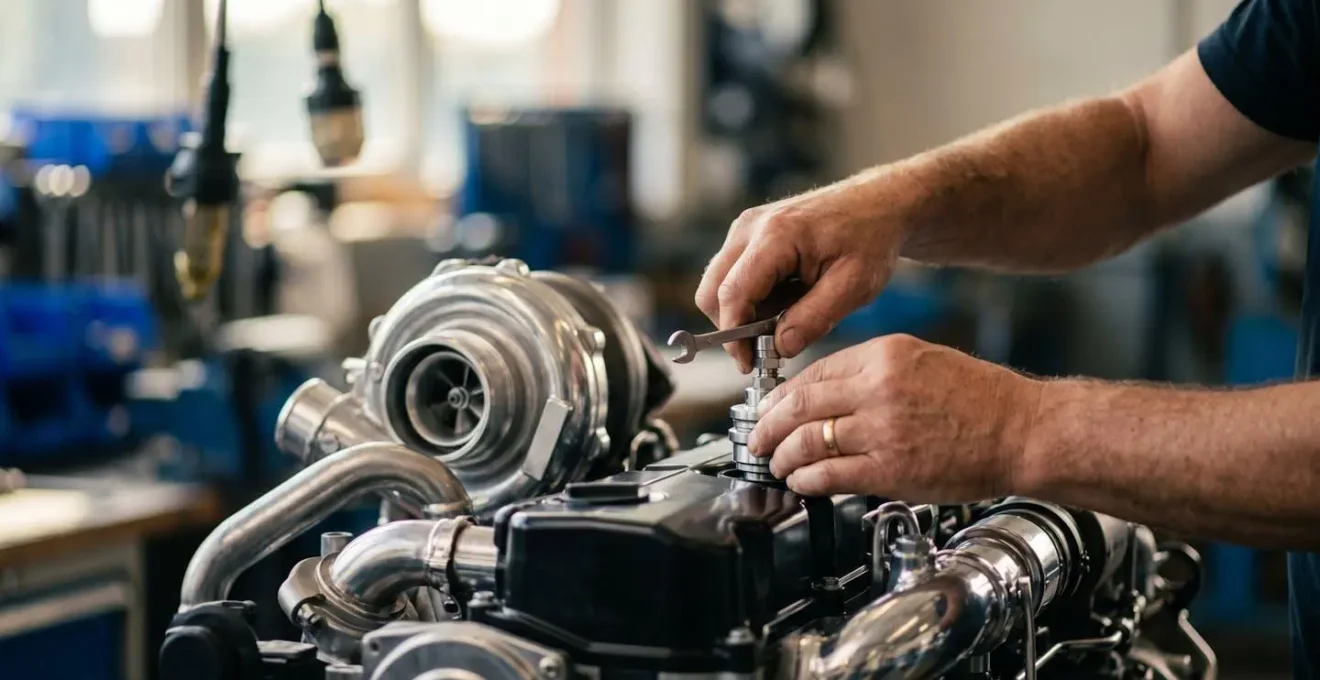
For example, a clogged DPF creates significant exhaust back-pressure. This pressure prevents the turbocharger from spooling up efficiently, leading to turbo lag and a noticeable reduction in horsepower. A clean DPF allows the engine to breathe freely, restoring its responsiveness. Similarly, a failing SCR system can cause the ECU to trigger a power-reducing « limp mode » to protect the catalyst and limit illegal emissions. By ensuring the SCR system is healthy—with a clean injector and quality AdBlue—you prevent the ECU from ever needing to take this drastic step. The relationship is clear: peak performance depends on peak system health. Adhering to a meticulous, performance-oriented maintenance protocol is the only way to achieve both power and compliance.
To balance these two goals, focus your maintenance efforts on the points where emissions control and engine performance intersect:
- Maintain a clean DPF to eliminate exhaust back-pressure, allowing the turbo to spool freely without power loss.
- Ensure healthy SCR system operation to prevent the ECU from triggering power-reducing limp modes.
- Perform periodic intercooler cleaning for a dense, cool air charge, which is critical to maintaining power output.
- Use professional-grade fuel system cleaners to maintain precise injector spray patterns for optimal combustion.
- Check DPF differential pressure sensor calibration to ensure the ECU receives accurate data for optimal engine mapping.
By adopting a « system mastery » approach, you transform emissions maintenance from a regulatory burden into a core component of performance tuning. You are no longer just appeasing the rules; you are ensuring your engine operates at its full potential.
Now that you are equipped with the knowledge to manage your vehicle’s emissions, the next logical step is to get a professional assessment. Contact a qualified diesel specialist to perform a full diagnostic check on your EGR, DPF, and SCR systems to establish a baseline and create a targeted maintenance plan.